The Affordable Care Act on life support?
- Armstrong Williams

- Dec 10, 2025
- 3 min read
PUBLISHED: December 6, 2025 | www.baltimoresun.com
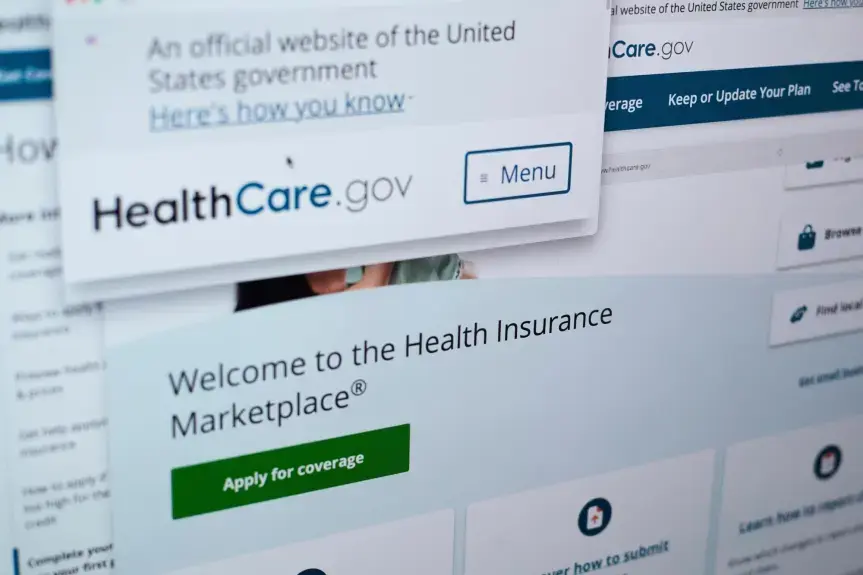
The Affordable Care Act is on financial life support before reaching adulthood. Republicans for years sought to kill the ACA that originally was the handiwork of President Barack Obama and House Speaker Nancy Pelosi. But many are now frightened at the potential political backlash if massive health insurance subsidies are not renewed for millions of enrollees. A reminder to be careful what you wish for. You might get it.
The ACA predictably spiked health care costs by increasing demand through munificent health insurance subsidies without any commensurate increase in supply. Economics 101 teaches prices to climb in such circumstances. The only uncertainty is by how much. Special interest government restrictions on supply should end to depress the cost of medical care.
For starters, the ACA ban on physician-owned hospitals should be repealed. The ban was a gift to the hospital industry to handcuff competition. Its ostensible purpose was to prevent doctors from preferentially referring patients to hospitals they owned in whole or in part. But the antitrust laws already prohibit any such arrangements adverse to consumer welfare.
Certificate-of-need or certificate-of-public-advantage laws should also be on the chopping block. The former require lead-footed and politically skewed government permission to construct new hospitals or to expand facilities. The latter bestow antitrust immunity on hospitals, which encourages collusive or monopolistic behavior.
Additionally, artificial limits on health care providers divorced from patient safety should be terminated. Exhibit 1 is the proliferation of laws that prevent nurses with requisite skills and training from performing services now exclusively reserved for doctors.
If Congress idles, millions of Americans will be looking into a health care abyss as the curtain rises on 2026 — a spike in insurance premiums caused by the expiration of enhanced federal subsidies and a rising trajectory in health care costs. The most significant is the expiration of the enhanced premium tax credits available under the American Rescue Plan and the Inflation Reduction Act. They capped an enrollee’s premium contribution at a specified percentage of their income, making coverage more affordable for low and middle-income individuals.
If the subsidies expire, subsidized enrollees can expect to see their out-of-pocket costs more than double on average, a projected jump of 114% with the same plan, even for lower-income participants. Enrollees with incomes exceeding 400% of the federal poverty level would lose all financial assistance.
The upshot is alarming. The average health insurance premium would increase 26% in 2026. The average monthly premium for subsidized ACA enrollees would rise from $888 to $1,904. Even if the subsidies are extended, many individuals will still experience sticker shock with premium hikes of 50% or more. Emergency room visits can be expected to spiral.
The politics are dicey for Republicans with 22 million votes at stake. The Senate is slated this week to consider a Democratic proposal to extend the Biden-era subsidies without change. It is expected to fail. A counteroffer from Republicans is likely to fare no better. House Speaker Mike Johnson has hedged on whether a subsidy extension vote would even be considered. President Donald Trump has voiced support for an alternative approach that would channel federal dollars directly to subsidy beneficiaries instead of intermediaries with lesser incentives for frugality. But a concrete plan has yet to be crystallized.
Our health care system desperately needs a wake-up call. Its preoccupation is with treating illnesses and ailments post-facto, with few if any financial incentives for behaviors that keep the doctor at bay. We do not all need to be as fit as SEAL Team Six. But regular exercise, a healthy diet and adequate sleep are a known formula for illness-free longevity. How about a $2,000 annual check to every individual who passes the JFK-era physical fitness test: sit-ups, push-ups, pull-ups (or the flexed arm hang), a shuttle run, a one-mile run and a flexibility test like the V-sit reach?
Detractors will argue unfairness because fitness is influenced by inherited genetic factors. True enough. But the good should not be sacrificed on the altar of the perfect. Isn’t it superior to the alternatives?
Armstrong Williams (www.armstrongwilliams.com; @arightside) is a political analyst, syndicated columnist and owner of the broadcasting company, Howard Stirk Holdings. He is also part owner of The Baltimore Sun.
©️ 2025 Baltimore Sun


Comments